Crypto Market Structure Bill Nears Finish Line, Says White House Digital Assets Director

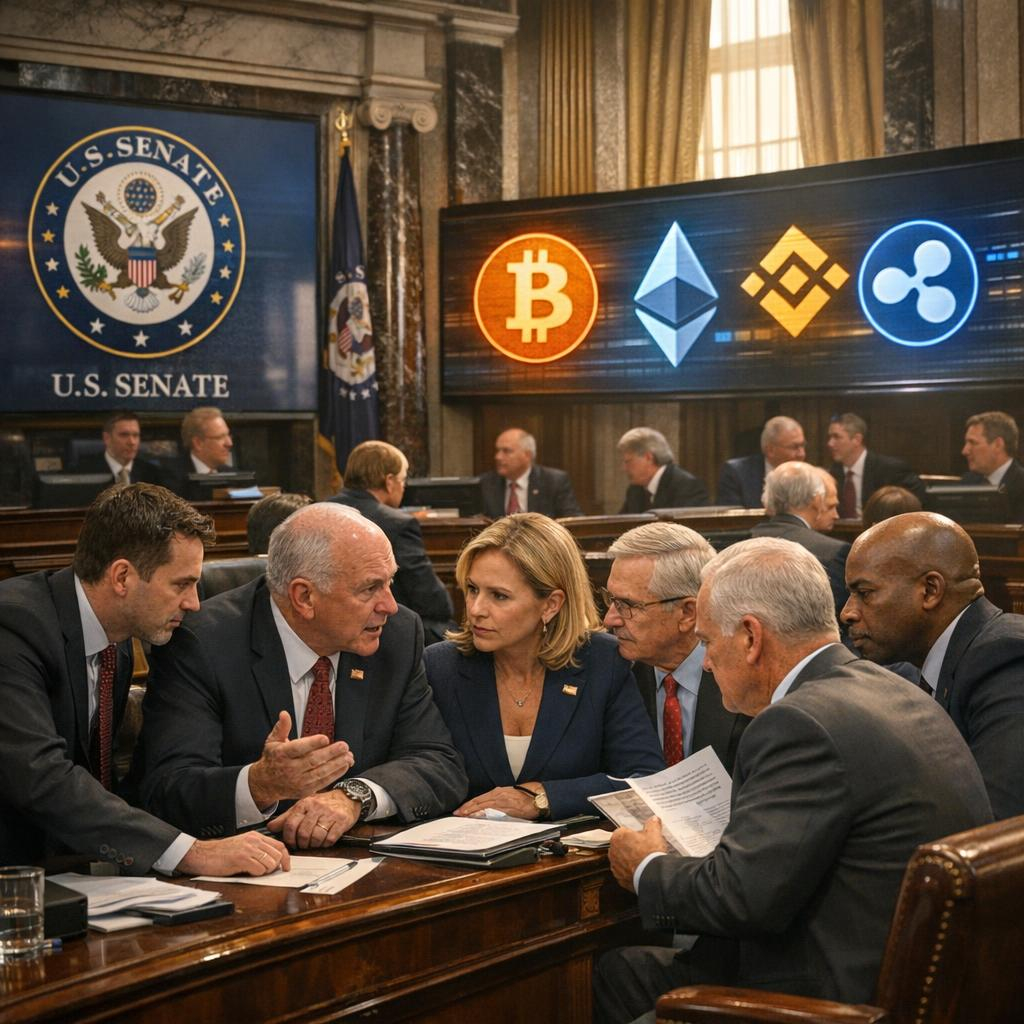
Negotiations on the long-debated crypto market structure bill, known as the CLARITY Act, appear to be moving forward after the third round of talks at the White House on Thursday, although a final agreement has not yet been reached.
White House Leads Crypto Talks
Patrick Witt, executive director of the President’s Council of Advisors on Digital Assets, described the meeting as “a huge step forward” posted on social media platform X (formerly Twitter). “We’re close,” Witt wrote, adding that if both sides continue to negotiate in earnest, he fully expects the deadline to be met.
More details about the latest session were reported by Crypto In America reporter Eleanor Terrett. According to sources present at the meeting, the gathering was smaller than last week’s session and included representatives of Coinbase and Ripple.
No bank officials came in person. Instead, the banking industry was represented through trade associations, including the American Bankers Association, the Bank Policy Institute, and the Independent Community Bankers of America.
Terrett shown that, unlike previous sessions where industry groups largely guided the discussion, the White House took an assertive role this time. Witt reportedly introduced new language in the law that became the focus of the discussion.
The proposed document addressed concerns raised by banks in a document circulated last week titled “Principles of Restrictions on Yields and Interests.” While acknowledging those arguments, the draft also specified that any restrictions on awards would be limited in scope.
Another important take away is passive yield stablecoin rates – the main goal of many crypto companies – is effectively off the table. The debate has narrowed to whether companies can offer performance-based rewards instead of simple account balances.
Draft Proposed Daily Penalties
According to one of the participants in the crypto industry, the resistance of banks may be driven more by competitive pressures than the fear of a large deposit flight, which was previously framed as the main concern.
A source from the banking side said that their camp is still promoting the installation of a legal person deposit outflow study on the bill. Such research will analyze how the growth of payment-oriented stablecoins may affect traditional bank deposits over time.
That banking source expressed optimism about the proposed new anti-corruption provision. The language would give authority to the Securities and Exchange Commission (SEC), the Treasury Department, and the Futures Trading Commission (CFTC) to ensure compliance with the ban on the yield of non-performing balances.
Civil penalties can reach $500,000 per violation, per day, underscoring the seriousness of the proposed legislation.
Terrett also revealed in his speech that the next phase will involve banking groups informing their members of the latest developments to explore whether there is any flexibility in allowing certain types stablecoin rewards.
Negotiations are expected to continue in the coming days. One source familiar with the talks said meeting the end-of-month deadline remains realistic, suggesting that, while disagreements persist, momentum toward a compromise is growing.
Featured image from OpenArt, chart from TradingView.com

Planning process because bitcoinist focuses on delivering well-researched, accurate, and unbiased content. We maintain strict sourcing standards, and each page is diligently reviewed by our team of senior technical experts and experienced editors. This process ensures the integrity, relevance, and value of our content to our readers.