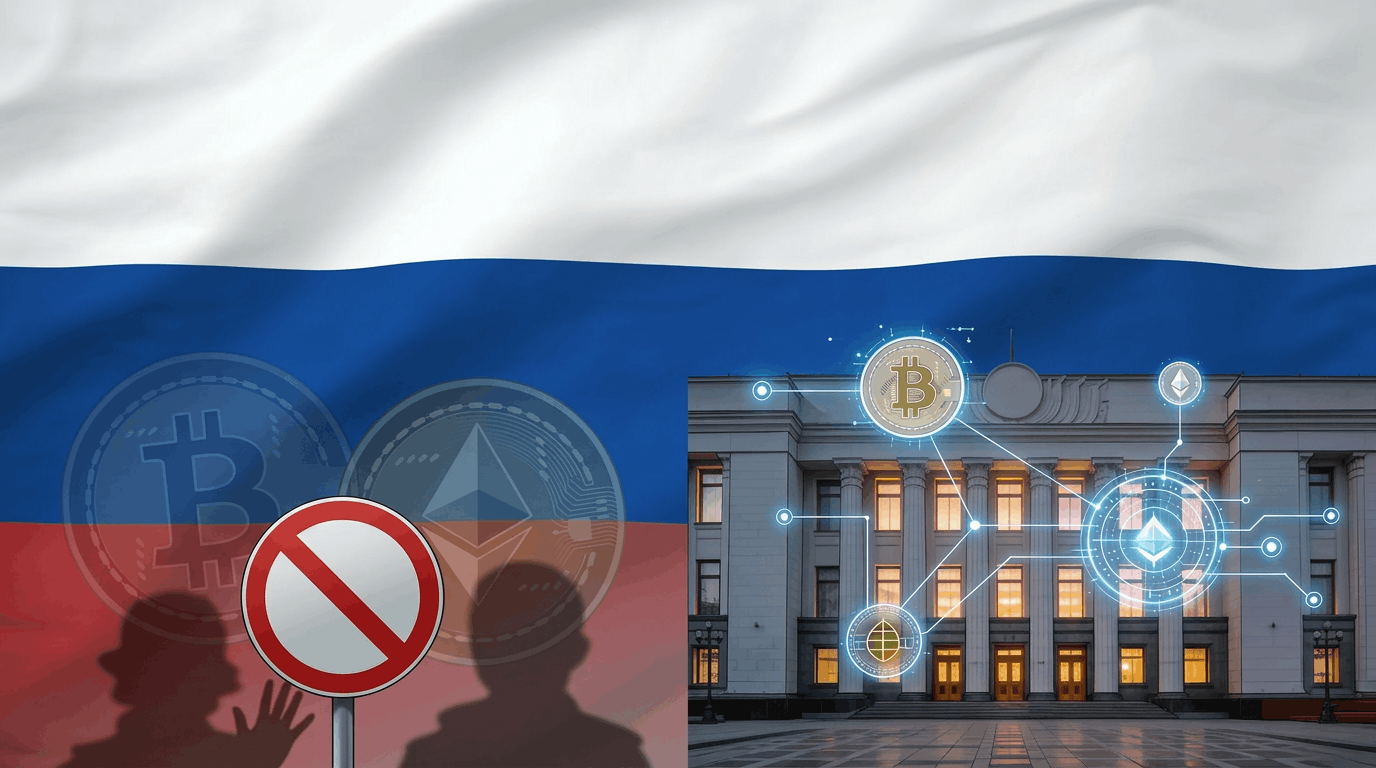
The Bank of Russia has proposed allowing banks and brokerage firms to obtain licenses to operate crypto exchanges.
New Crypto Play
A report published by Interfax on March 5 says that the Governor of the Central Bank of Russia (CBR) Elvira Nabiullina proposed to allow banks and brokers to obtain licenses for crypto exchanges through a notification process, as based on their current licenses. This statement was made at the annual meeting of lending institutions and the Central Bank.
According to Nabiullina, the proposal aims to use the infrastructure of the banking sector to fight money laundering and combat the financing of terrorism and fraud in order to better protect customers in the digital goods market. In what appears to be a conciliatory move between regulators and digital asset traders, Nabiullina directly addresses some of the main concerns that TradFi often raises when opposing crypto assets:
We hope your extensive banking experience in AML/CFT [anti-money laundering and countering the financing of terrorism]and your anti-fraud knowledge, will help protect your customers in the crypto market once it becomes legal.
Crypto proposal
Notification-based exchange permits mean institutions can tie cryptocurrency services to existing financial licenses instead of going through a separate, independent approval process.
Under the draft rules, crypto and stablecoins will be considered “valuable currencies”: Russians can own and trade them but using them as a domestic payment method will remain prohibited.
As for the level of risk, Naibullina remains cautious. He clarified that there will be a temporary limit on the involvement of banks in the property sector:
However, we would still like to reduce the level of risk that the bank takes in this area to one percent of the capital. Let’s start by seeing how the banks operate on a one-percent basis, and then see if we need to go further.
According to the Interfax report, qualified investors can acquire crypto assets without restrictions, while unqualified investors are limited to buying 300,000 rubles per year through a single intermediary. The proposal effectively transforms banks into a regulated primary gateway for digital asset trading.
Russian Back-and-Forth
As of 2020, Russia recognized digital assets as assets but banned them as a form of payment. Russia flirted with a full ban in 2022 and then switched to “regulate, don’t prevent.” In 2024-2025, Russia allowed limited use of borders, legal mining, and opened the market only to banks and “highly qualified” investors, keeping shopping, P2P, and other foreign platforms in the gray area.
Change in the World
Russia has gradually moved from hostility to tightly regulated acceptance: the new push to license banks and brokers as cryptocurrency intermediaries is more about offshoring, taxing, maintaining currency controls, and sidelining unauthorized foreign exchanges than banning crypto itself.
The central bank aims to complete the comprehensive legal framework by mid-2026, after which fines are expected to come in for unlicensed intermediaries and offshore platforms that are not available in Russia.
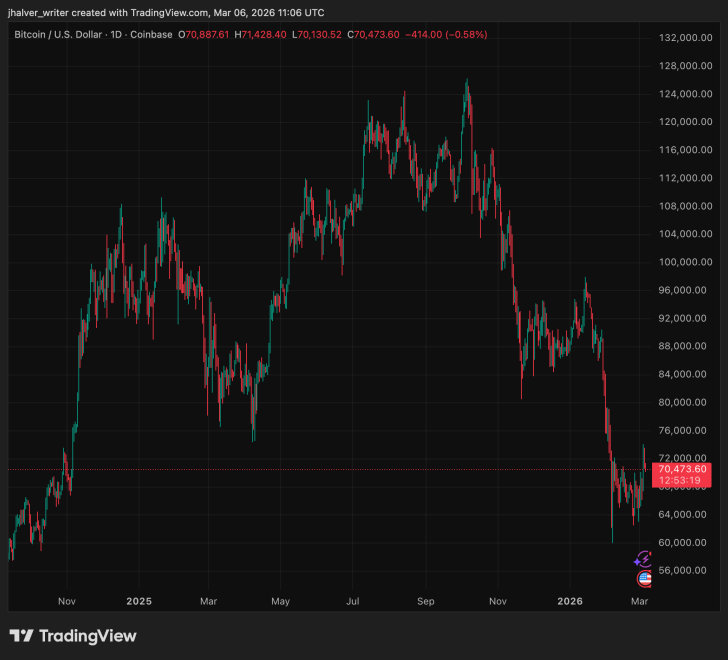
BTC's price trends to the downside on the daily chart. Source: BTCUSD on Tradingview
Cover image from ChatGPT, BTCUSD chart from Tradingview

Planning process because bitcoinist focuses on delivering well-researched, accurate, and unbiased content. We maintain strict sourcing standards, and each page is diligently reviewed by our team of senior technical experts and experienced editors. This process ensures the integrity, relevance, and value of our content to our readers.